 EN

DICloak: team profiles and access controls
DICloak: team profiles and access controls. Purpose, access conditions, limitations and official sources.
What is DICloak used for?
DICloak combines browser profiles with team permissions and automation tools. Its download page lists Windows, macOS and Linux clients; choose the actual installer rather than the operating system simulated inside a profile.
| Item | Details |
|---|---|
| Platforms | Windows, macOS, Linux |
| Task | Antidetect and profile browsers |
| Download source | Use the project’s official page and choose the build for your operating system. |
| Version and terms | Check the version and licence on the developer’s website. |
What to check before setup
Use a separate test workspace to check what a colleague can open, export and change. Compare profile capacity, member seats and automation allowances in the selected plan before moving client sessions.
Download DICloak from the official website
On the project’s download page, choose the build for your operating system.
Check the website address. Follow the developer’s instructions for verifying the file’s signature or checksum.
Getting started with DICloak
- Open the official download page and check OS, architecture and current subscription terms.
- Create a test profile without work passwords or payment details.
- Check session persistence and member permissions; verify routing separately if adding a proxy.
- Test access revocation and test-data deletion before moving work accounts.
- Record renewal dates and confirm how to cancel the subscription before relying on the service.
DICloak interface and illustrations
DICloak logo
Official DICloak logo; not an interface screenshot
DICloakOfficial DICloak logo; not an interface screenshot
1 of 1. DICloak: Official DICloak logo; not an interface screenshot
Limitations and data protection in DICloak
Sharing a logged-in profile grants access to the session. Withdrawing workspace access does not establish that the target website has revoked every session token.
This is a review of public documentation, not an installation test, security audit or performance benchmark.
Alternatives for related tasks
For one work login, consider an ordinary separate browser profile first. If you only need a different network route, compare proxy services; they do not isolate cookies. Keep passwords and recovery codes in a separate vault.
Questions and answers
Does this browser guarantee no account blocks?
No. Websites consider behaviour, account information and other signals. A profile does not override service rules or authorise prohibited accounts.
Can I share a profile like an ordinary file?
Profiles may contain cookies and active sessions. Share only with authorised people and check revocation; deleting a local copy does not necessarily end website sessions.
Is a free plan enough for permanent use?
Check its duration, profile or traffic limits, and what happens after inactivity. Trial access does not establish permanent free access.
Other tools for similar tasks
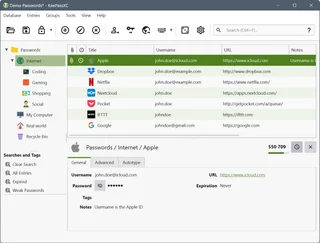
KeePassXC
KeePassXC: create a local KDBX password database, generate passwords, make backups and connect the browser extension.
Review and setup →
Ghost Browser
Ghost Browser: Session isolation and proxy settings. Purpose, access conditions, limitations and official sources.
Review and setup →
GoLogin
GoLogin: Profiles, members and plans. Purpose, access conditions, limitations and official sources.
Review and setup →Related reading

Passkey, TOTP or SMS: protection of the exchange account
Selection of the method of entry and preparation of access recovery.
Read article →
Fake support for the exchange: how to check the request
Checking the access to the installation of programs and the transfer of access.
Read article →About the author

Crypto, fintech and Web3 expert with a background in marketing. Covers digital-asset projects, industry risks and fraud prevention.
Professional websiteDocumentation and images
Official sources, image credits and review methods
- Download DICloak
- Documentation DICloak
- DICloak: illustration source
- DICloak
- Pricing
- Terms
- Official DICloak logo; not an interface screenshot: illustration source — DICloak; official logo for editorial identification. Trademark rights remain with its owner..
The review was prepared on the project documentation. The installation and independent testing of the distribution within this material was not carried out. The rights to the interface and the names are reserved for the respective rights holders.