 EN
LocalSend: review, download and setup
LocalSend: official apps, local file transfers between phones and computers, recipient checks and device discovery troubleshooting.
What is LocalSend used for?
LocalSend transfers files and messages between the devices located a number of devices over a local network. For a regular exchange, you do not need an account and downloading documents to a third-party cloud server. The project applications are available for the main desktop and mobile OS; installation must be performed on the devices involved in the transfer.
This script is convenient for transferring photos from your phone, sending PDF to a laptop, or transferring a folder between your computers. It is different from creating a link available to the recipient from another city. Both devices must have a suitable network connection; the same name Wi-Fi in itself does not guarantee that they can communicate directly.
| Item | Details |
|---|---|
| Platforms | Windows, macOS, Linux, Android, iOS |
| Use case | Secure file transfer |
| Download source | Use the project’s official page and choose the build for your operating system. |
| Version and terms | Current builds and conditions of use are given from the developer. The review does not record the unchanged version number. |
LocalSend: device search and transfer confirmation
When choosing the recipient, check the name of the device on his screen. Other users may be on the common network. Start with a small file without personal data, confirm the reception on the desired device and check the save folder. Automatic reception should be included only after the composition of the network and the circle of senders are clear.
If the device is not displayed, check the permission to access the local network, the firewall profile and the isolation of clients on the router. Guest Wi-Fi network often prohibits communication between visitors. An active VPN can also restrict local access. To diagnose, use project instructions; do not disable the protection of the computer in the whole for the sake of one detection.
Download LocalSend from the official website
Select the supported platform on the project page. The link leads to the selection of the distribution, and does not start the installation automatically.
Use the official download address. Check the signature or checksum if the project publishes one. Keep secret configuration files private when contacting support.
Getting started with LocalSend
- Go to the official LocalSend website and install the application on the sender and recipient.
- Connect both devices to a trusted local network.
- Allow the application to access the local network if the OS requests this permission.
- Select the test file and check the displayed name of the recipient with its screen.
- Confirm the reception, open the saved file and check its name and content.
- When detecting the problem, check the isolation of Wi-Fi, the rules of the application in the firewall and the impact of VPN.
LocalSend interface and illustrations
Interface screenshots
The origin of the images is indicated in the sources below. The interface of the installed version may differ.
LocalSendScreen LocalSend on Computer
1 of 2. LocalSend: Screen LocalSend on Computer
Limitations and data protection in LocalSend
The lack of cloud loading does not cancel the addressee checks. The file accepted by another device is already under the control of its owner. Check the composition of the sent folder: next to the desired document may lie service data or drafts.
The speed depends on Wi-Fi, devices and network conditions. Do not disable encryption for the sake of a recommendation to speed up the transfer without evaluating content and environment. For important data, leave the source before the copy is opened. The official repository lists the update channels and features of the platforms; do not count on the same update in all installation options.
Alternatives for related tasks
Cyberduck and WinSCP are suitable for transfer to a remote server. For exchange via Tor, they consider OnionShare. LocalSend closes a narrower household task: send files between devices on a local network without an intermediate cloud account.
Questions and answers
Does LocalSend work without the internet?
Internet is not required for local exchange. But devices should be able to communicate on one local network; guest insulation may prohibit it.
Why doesn't the phone see the computer?
Check the LAN, firewall rules, wi-Fi clients isolation and VPN settings. First try a small test on a trusted network.
Can I send a file to a person in another city?
The usual local scenario does not provide this. For remote transfer, select a separate suitable service or configure an agreed network, understanding its limitations.
Other tools for similar tasks
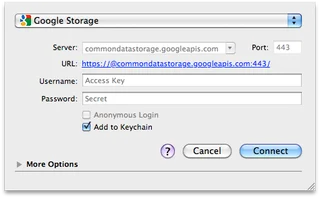
Cyberduck
Cyberduck: official downloads for Windows and macOS, SFTP and cloud storage access, server verification and secure transfers.
Review and setup →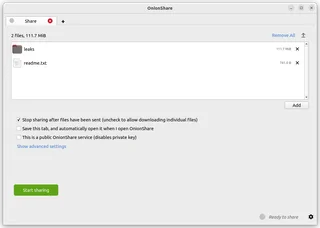
OnionShare
OnionShare: share files through an onion service, manage the address and access key, and stop sharing when finished.
Review and setup →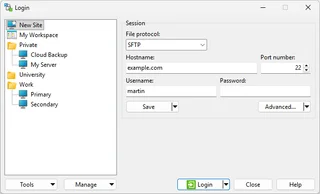
WinSCP
WinSCP: official downloads, SFTP setup, host key verification and file synchronization without unintended overwrites.
Review and setup →Related reading
Passkey, TOTP or SMS: protection of the exchange account
Selection of the method of entry and preparation of access recovery.
Read article →
Fake support for the exchange: how to check the request
Checking the access to the installation of programs and the transfer of access.
Read article →About the author

Crypto, fintech and Web3 expert with a background in marketing. Covers digital-asset projects, industry risks and fraud prevention.
Professional websiteDocumentation and images
Official sources, image credits and review methods
- Download LocalSend
- Documentation LocalSend
- LocalSend official website
- Screen LocalSend on Computer: illustration source — LocalSend, official repository and website, Apache-2.0.
- Screen LocalSend on iPhone: illustration source — LocalSend, official repository and website, Apache-2.0.
The review was prepared on the project documentation. The installation and independent testing of the distribution within this material was not carried out. The rights to the interface and the names are reserved for the respective rights holders.